Sumaiya Nazeen, PhD

Research

Illustration for Detecting disease-causing variation across the allele frequency spectrum

Detecting disease-causing variation across the allele frequency spectrum

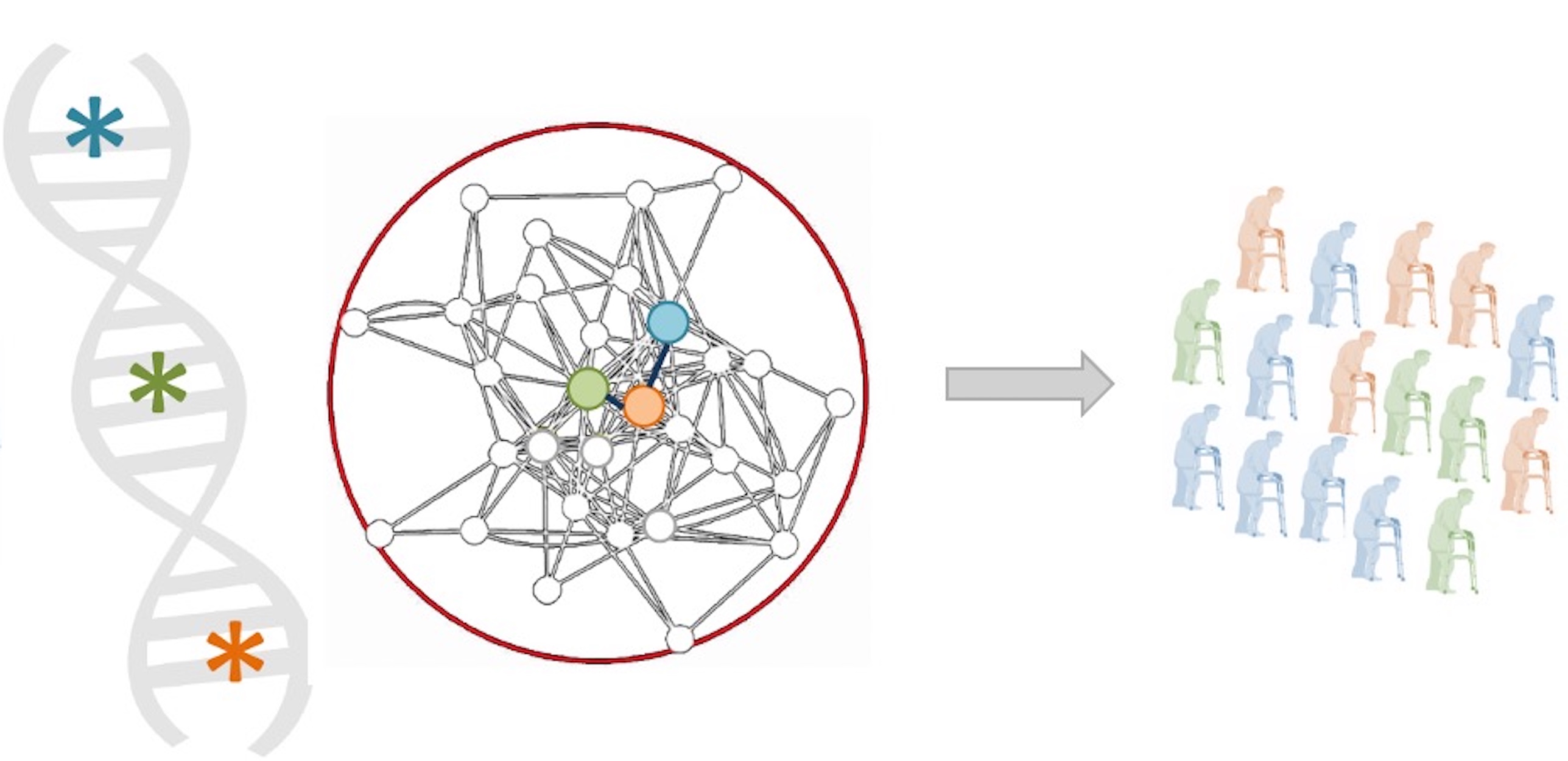
Variants across the allele frequency spectrum influence different diseases differently. De novo variants are major drivers of rare sporadic diseases (e.g., neurodevelopmental diseases, congenital heart defects) as well as common ones (e.g., autism and epilepsy). However, their extreme sparsity demands highly sensitive statistical tools and makes it challenging to identify causal mechanism. In complex diseases, rare germline variants contribute through multiple genes and are too sparse to implicate pathways individually. In contrast, common non-coding variants explain a substantial proportion of heritability but are diffused across the non-coding genome and rarely point directly to causal mechanisms. These challenges highlight the need for distinct context-aware computational frameworks tailored to each variant class. One area of my interest is to develop appropriate statistical and computational methods for each variant class to enhance power for gene and pathway discovery, refine mechanistic hypotheses, and guide follow-up experiment design.
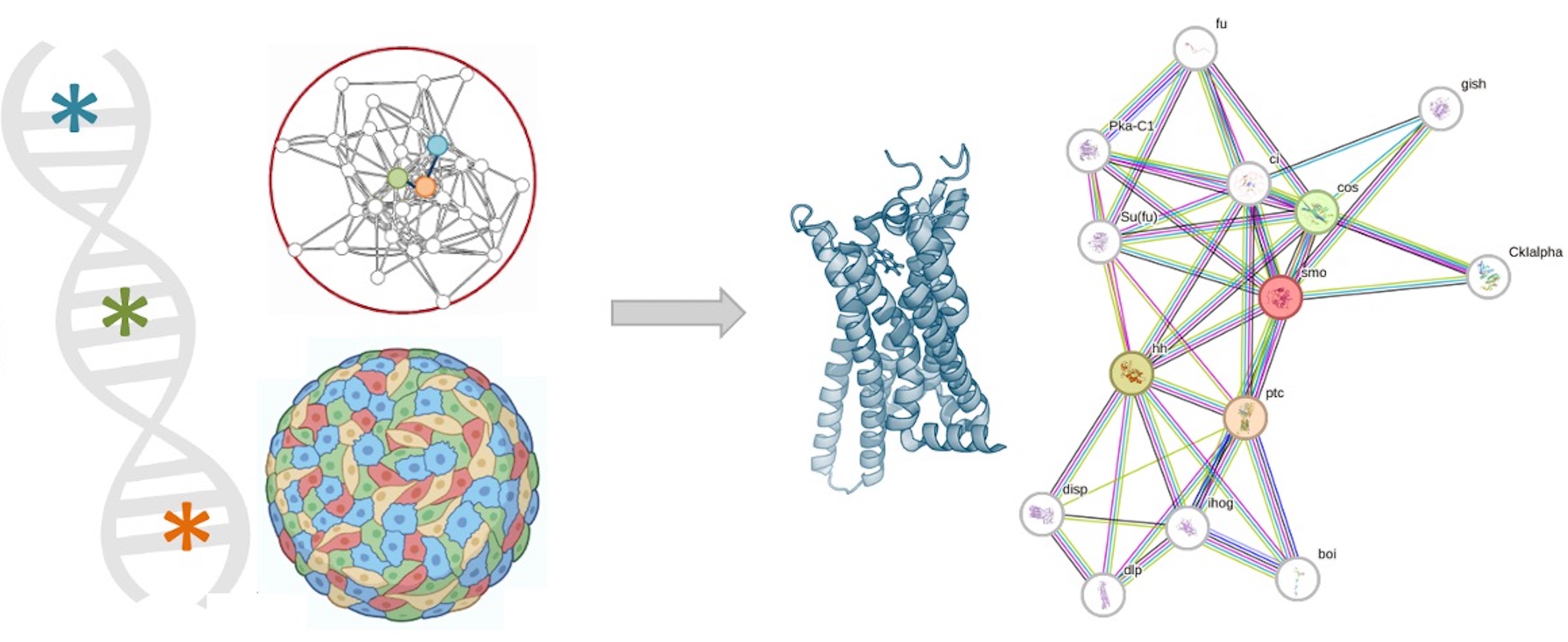
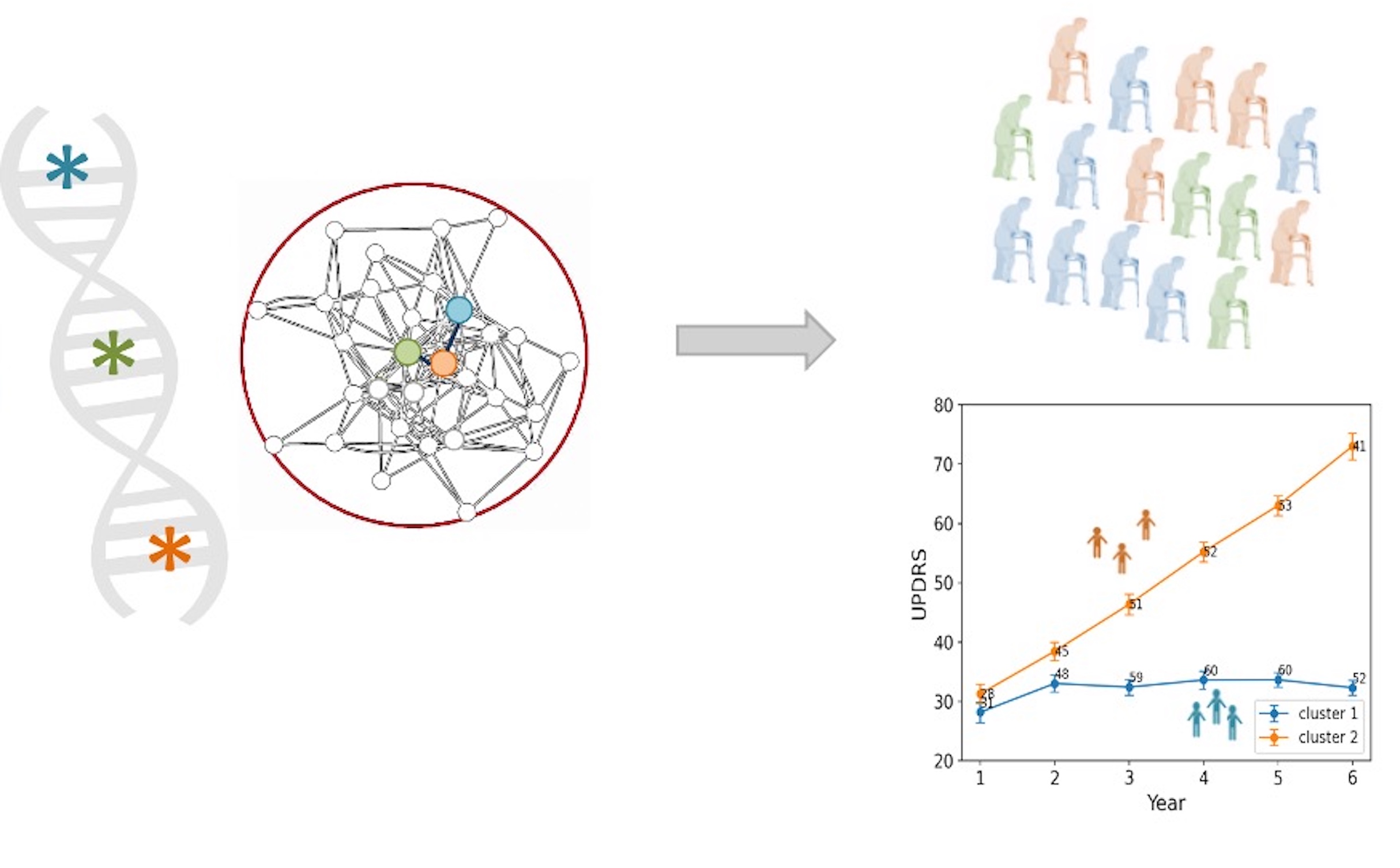
Illustration for Understanding the effect of genetic variants on protein function and interactions

Understanding the effect of genetic variants on protein function and interactions

While the genome is invariant, protein function varies widely across cell types, tissues, and disease states. Yet protein representations usually omit information about pathway and disease context, thereby overlooking how cellular environments shape protein stability, function, interactions, pathway participation, and therapeutic relevance. Thus, context-aware frameworks are needed to model how proteins' role may change across biological settings and to identify cell-specific mechanisms that drive disease risk and therapeutic response. By learning context-specific protein representations, we can model how protein function and interactions vary across cell types and disease states and how these divergences influence disease mechanisms, revealing potential therapeutic avenues. My research aims at developing context-aware models of protein function and interaction networks to learn how human genetic variation as well as gene perturbations may influence these in response to diseases, therapeutics, and environmental toxicants.

Illustration for Disentangling genetic heterogeneity of complex diseases

Disentangling genetic heterogeneity of complex diseases

Disease heterogeneity is a significant barrier to the realization of precision medicine. Even when patients have the same diagnosis, they may harbor distinct genetic vulnerabilities in different biological processes and can have different clinical trajectories leading to different treatment outcomes. These hidden mechanistic subtypes dilute genetic association signals, confound clinical trials, and obscure target identification. Thus, there is a need to develop computational frameworks that infer latent mechanistic disease subtypes, determine how they manifest across multi-omic modalities, and identify biological pathways selectively vulnerable within each subtype. I develop computational frameworks of disease subtyping in the genetic and multi-omic space, structural equation models for biomarker discovery for subtypes, and patient stratification algorithms for trial population selection.